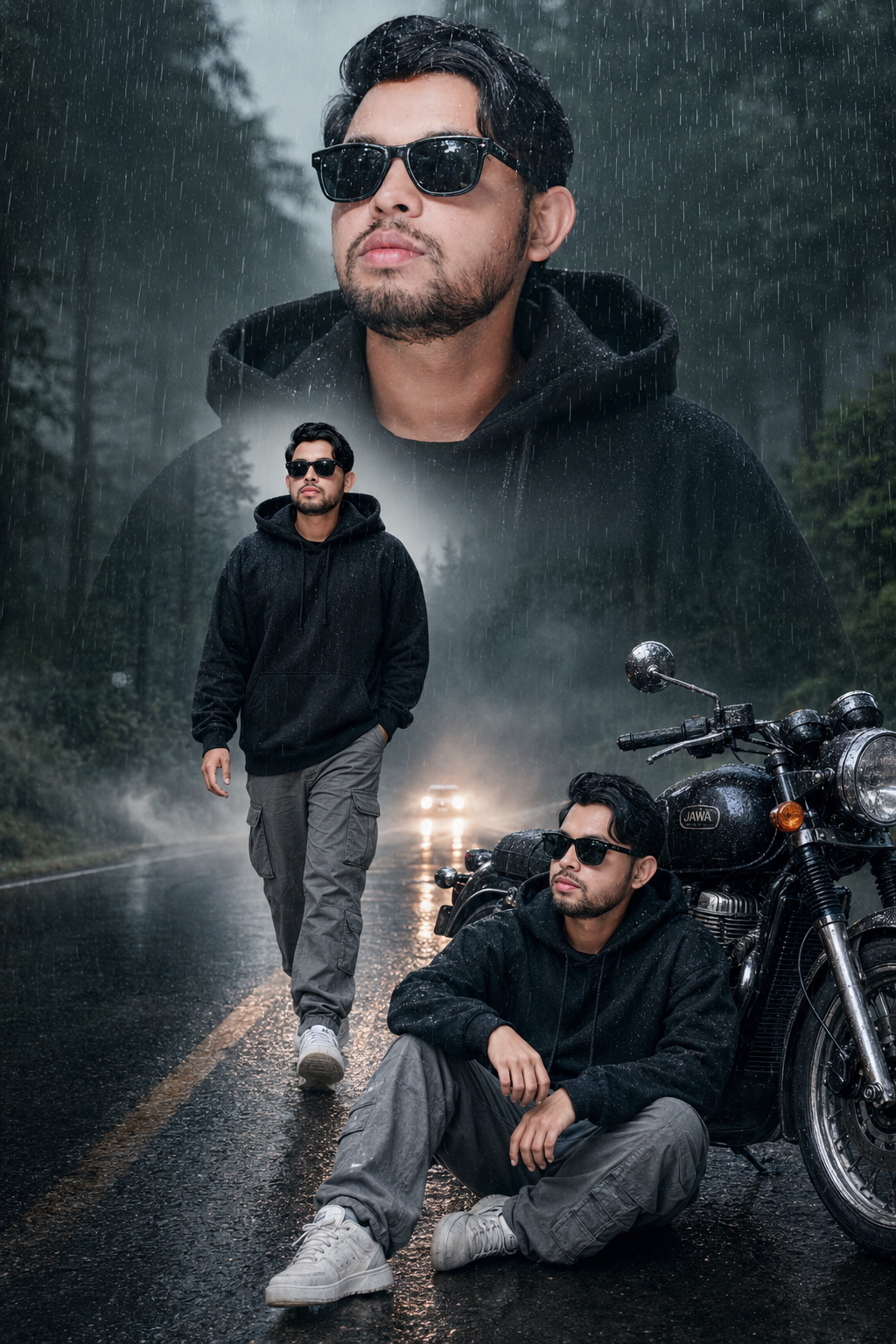
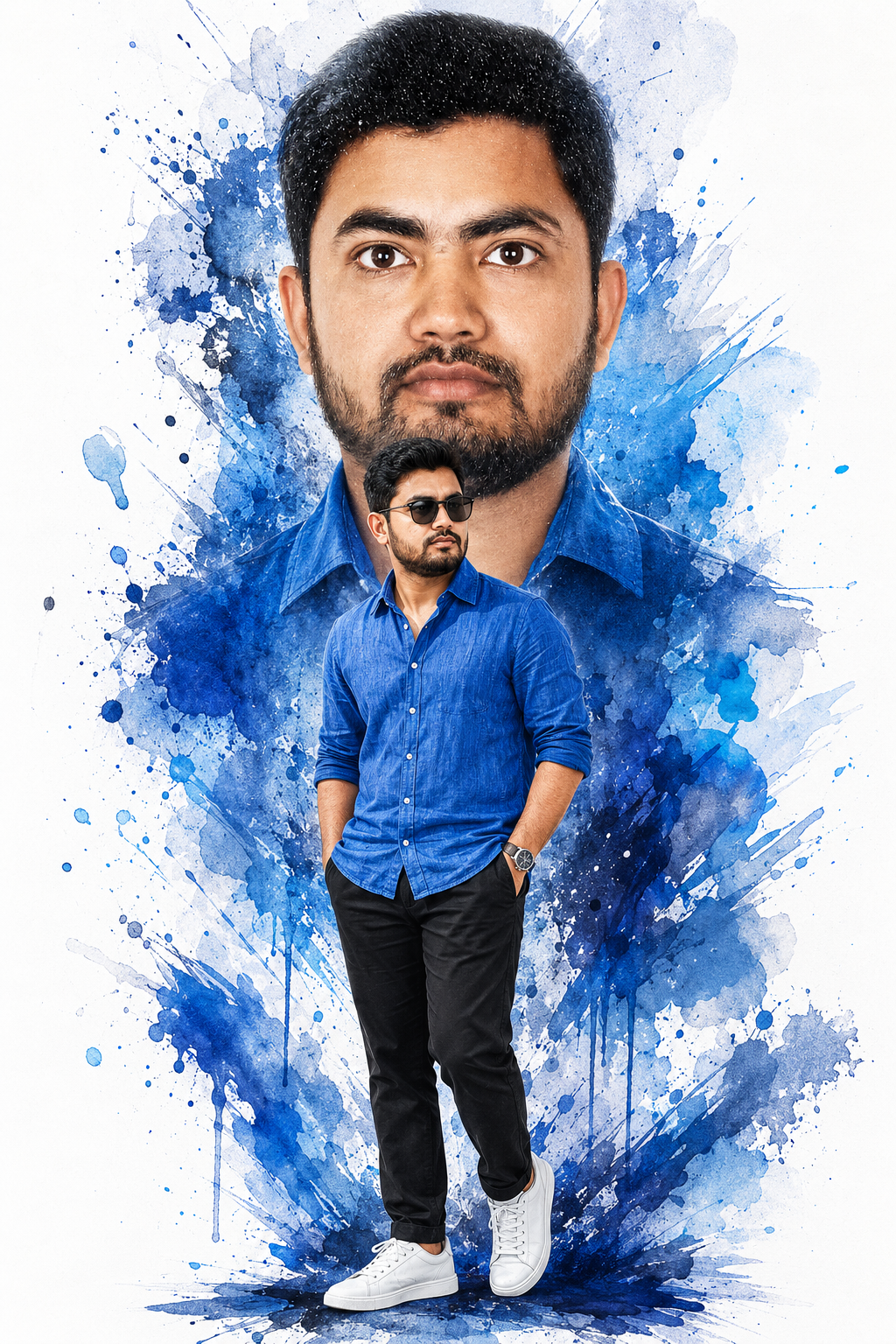
In the ever-evolving world of AI art, few techniques capture raw human emotion and narrative depth quite like the Cinematic Multi-Exposure Portrait. This style blends the haunting beauty of traditional film multiple exposures with the dramatic storytelling of cinema. Think overlapping ghostly silhouettes, layered emotions, time-bending moments, and rich, moody lighting that feels pulled straight from a Christopher Nolan or Denis Villeneuve film.
Whether you’re crafting a brooding anti-hero, a melancholic lover, or a visionary artist caught between realities, this technique delivers images with soul, movement, and unforgettable atmosphere.
Why Cinematic Multi-Exposure Works So Well in AI
Traditional multi-exposure photography requires precise in-camera layering or darkroom wizardry. AI removes the technical barriers while amplifying the artistic possibilities. You get ethereal overlaps, intentional motion blur, light leaks, film grain, and emotional storytelling — all in one cohesive, high-resolution frame.
Core Elements of a Powerful Cinematic Multi-Exposure Portrait
- Multiple layered exposures: Main subject + 2–4 translucent overlays showing subtle movement, different angles, or emotional states.
- Dramatic cinematic lighting: Volumetric god rays, rim lighting, practical light sources (neon, candles, streetlamps), deep shadows.
- Film-inspired aesthetics: Anamorphic lens flares, subtle grain, teal-orange color grading, shallow depth of field.
- Emotional narrative: Each exposure tells part of a story — joy/pain, past/present, strength/vulnerability.
- Atmospheric environment: Rain-slicked streets, fog-filled rooms, golden-hour ruins, cyberpunk alleys, or minimalist studios.
The Master Prompt Template
Copy and customize this battle-tested master prompt for ChatGPT (DALL-E), Midjourney, Flux, or Grok Imagine:
Advanced Variations to Try
1. Emotional Duality Portrait Add: “One exposure radiates quiet strength and defiance, the second shows deep vulnerability and tears, third captures serene acceptance.”
2. Time-Travel / Memory Portrait Add: “Exposures layering different life stages — young idealistic self, current self, and older reflective self dissolving into each other.”
3. Cyberpunk / Noir Style Add: “Neon-drenched rainy night city street reflections, magenta and cyan color palette, cybernetic details, blade runner atmosphere.”
4. Surreal Dreamlike Add: “Exposures melting into cosmic nebulae and floating particles, ethereal double exposure with flowers and stars growing from the subject.”
5. Intimate Studio Add: “Soft window light, dust motes in the air, minimalist black background, raw filmic texture, emotional eye contact.”
Pro Tips for Best Results
- Be extremely specific about the subject’s emotional journey across exposures.
- Mention film stock (Kodak Vision3, Fuji Eterna) or camera for authentic texture.
- Balance sharpness: one primary crisp layer, others more translucent (30-60% opacity feel).
- Use lighting references: “Deakins lighting,” “Lubezki golden hour,” “Crewdson suburban surrealism.”
- For ChatGPT/DALL-E, add “photorealistic, cinematic still” at the beginning.
- Generate multiple versions and upscale the best ones.
Example Ready-to-Use Prompt
“A haunting cinematic multi-exposure portrait of a 28-year-old East Asian woman with long flowing black hair, wearing an elegant black silk dress, standing in an abandoned art deco theater. Main exposure: intense gaze directly at viewer with quiet power. Overlapping exposures: she turns away in sorrow, reaches toward floating memories, and laughs with bittersweet joy. Dramatic volumetric lighting with shafts of dusty golden light cutting through broken roof, teal shadows, film grain, light leaks. Shot on 35mm anamorphic, Roger Deakins color palette, emotional masterpiece, ultra-detailed, 8k.”
The cinematic multi-exposure portrait isn’t just a visual effect — it’s a storytelling device. It lets you show the complexity of being human in a single frame: the versions of ourselves we’ve been, are, and might become.
Save this master prompt. Experiment relentlessly. The most powerful results often come from deeply personal subject descriptions combined with precise cinematic language.
Now go create images that feel like they belong on a movie poster for a film that doesn’t exist yet — but should.